

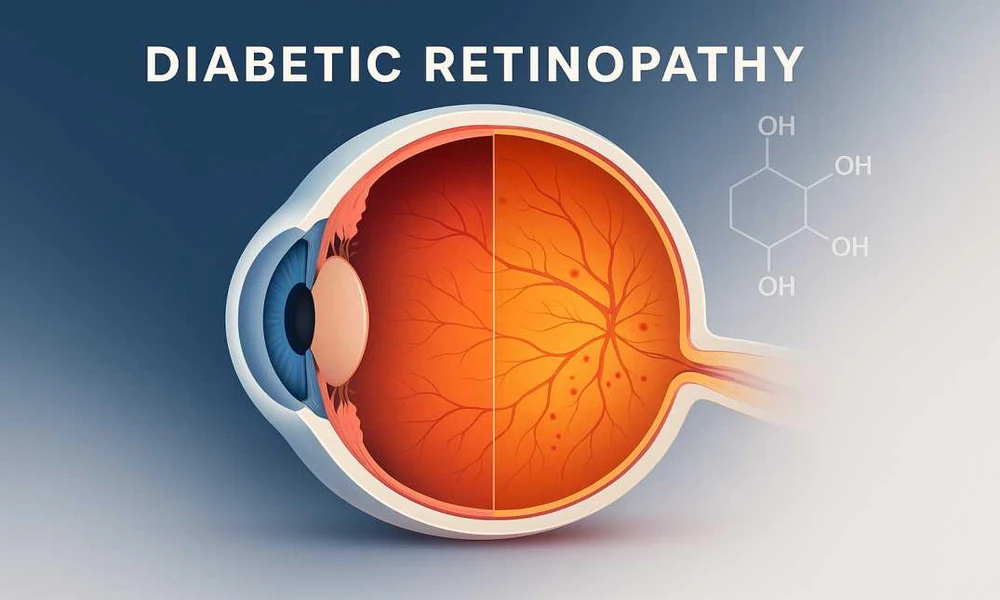
Diabetes, high blood pressure, and abnormal cholesterol levels affect more than cardiovascular health. Together, they can increase the risk of damage to the retina, the light-sensitive tissue at the back of the eye.
Managing these conditions is an important part of protecting vision. Understanding their effects can help people with diabetes make informed decisions about treatment, monitoring, and regular eye examinations, particularly when managing diabetes-related retinal disease.
How Diabetes Affects the Retina
The retina depends on tiny blood vessels for oxygen and nutrients. Over time, elevated blood glucose can damage these vessels, causing them to leak, close, or grow abnormally. These changes can lead to diabetic retinopathy, a form of diabetic retinal disease that may progress without noticeable symptoms in its early stages.
In some cases, fluid accumulates in the macula, the central area responsible for detailed vision. This condition, known as diabetic macular oedema, can cause blurred or distorted sight. Advanced disease may lead to bleeding, scar tissue, or retinal detachment.
Because early damage may not affect vision noticeably, screening is essential even when eyesight seems normal.
The Importance of Blood Glucose Control
Keeping blood glucose within an individualised target range can lower the risk of diabetes-related complications and help reduce the likelihood of diabetic retinopathy developing or worsening.
Management may involve prescribed medication, balanced meals, suitable physical activity, and regular glucose monitoring. HbA1c testing also helps clinicians assess average blood glucose over time.
Treatment should be personalised. In some people, particularly those with existing retinal disease, rapid and substantial improvement in glucose control may temporarily worsen retinal changes. This is not a reason to avoid treatment. Rather, patients with established disease may need coordinated monitoring when their diabetes regimen changes.
Managing Blood Pressure
Hypertension places strain on blood vessels throughout the body, including those supplying the retina. When high blood pressure occurs alongside diabetes, vascular damage may be compounded.
Blood pressure management can reduce cardiovascular risk and may also support retinal health. Depending on a person’s circumstances, care may include medication and practical lifestyle measures such as limiting excessive sodium, maintaining a healthy weight, and exercising regularly.
Blood pressure goals should be determined with a healthcare professional, taking account of overall health, other conditions, and treatment tolerance.
Cholesterol and Retinal Health
Cholesterolemia, which refers to the level of cholesterol in the blood, may have implications for retinal health, particularly in people with diabetes. Elevated cholesterol levels can contribute to the buildup of fatty deposits in blood vessels, potentially affecting circulation and increasing the risk of vascular complications that may impact the retina.
A lipid profile helps clinicians assess cholesterol and triglyceride levels. Management may include dietary adjustments, physical activity, and medication such as statins when indicated to reduce cardiovascular risk.
Research has also found that fenofibrate may slow progression of certain retinal changes in selected people with diabetes. It is not appropriate for everyone or a substitute for eye examinations; a clinician should assess potential benefits and risks.
Why Combined Management Matters
Glucose, blood pressure, and lipid levels should be considered together rather than as isolated concerns. A coordinated care plan may include:
- Glucose monitoring: Review blood glucose and HbA1c with the treating clinician.
- Blood pressure checks: Track readings and assess whether treatment goals are being met.
- Lipid reviews: Check cholesterol and triglycerides based on individual risk.
- Sustainable habits: Choose balanced meals, regular physical activity, adequate sleep, and smoking cessation where applicable.
- Medication adherence: Take prescribed medicines as directed and report side effects or difficulties.
These steps can support general vascular health and help manage modifiable risks associated with diabetic retinopathy.
Eye Screening and Treatment
Systemic risk management does not replace eye care. Even with well-controlled diabetes, retinal complications can occur. Screening may include a dilated retinal examination, retinal photography, or optical coherence tomography (OCT), which provides detailed images of retinal structures.
Screening intervals depend on factors such as diabetes type and duration, prior retinal findings, pregnancy, and clinical guidance. People diagnosed with diabetic retinopathy need follow-up based on disease severity.
Some patients require observation, while others may benefit from intravitreal injections, laser treatment, or surgery. Sudden vision loss, a sudden increase in floaters, flashes, or a curtain-like shadow warrants urgent eye assessment.
Conclusion
Optimising blood glucose, blood pressure, and cholesterol is a meaningful part of reducing diabetes-related risks and supporting long-term wellbeing. Although these measures cannot remove every risk, combining individualised care with regular retinal screening improves opportunities for early detection and timely intervention.
People living with diabetes should work with their healthcare team to establish suitable treatment goals and protect their vision over time.
