

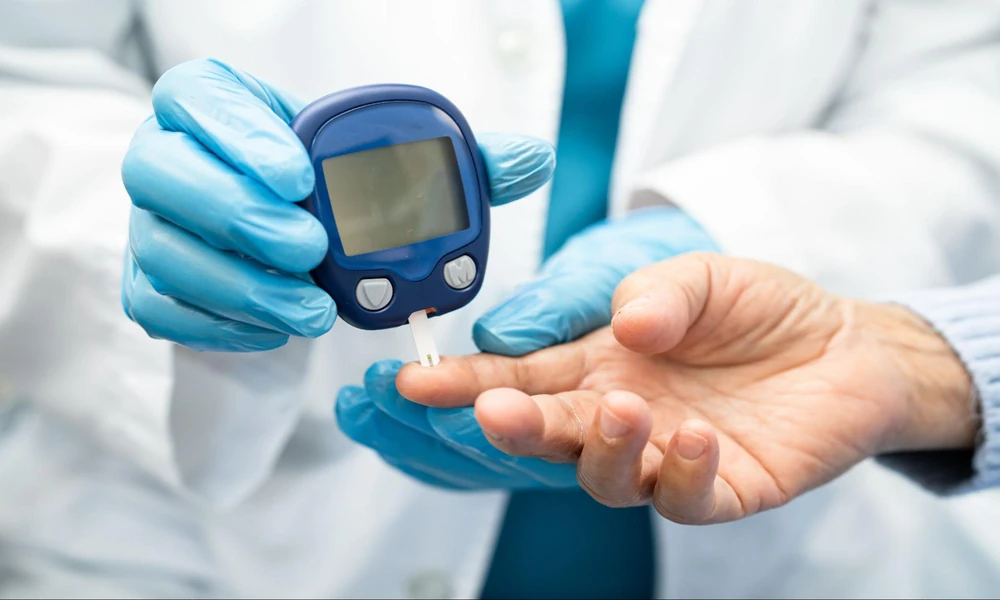
Your body runs on a constant supply of energy, and most of that energy comes from glucose. Diabetes develops when blood sugar stays above the healthy range for long periods. Insulin is the hormone that moves glucose out of the bloodstream and into cells. When insulin stops working as well as it should, several changes start to affect metabolism. Understanding these changes provides a strong foundation for type 2 diabetes management and supports better long-term health.
Insulin Resistance And Function
The pancreas makes insulin, and its main job is to keep blood sugar under control. Insulin lets cells take in glucose from the blood and use it as fuel. With insulin resistance, the cells stop responding to insulin as well as they used to. To keep glucose levels normal, the pancreas makes more insulin. This works for a while, but the higher demand puts steady strain on the body over time.
Changes In Blood Sugar
When insulin can’t do its job properly, glucose slowly builds up in the blood. The body then has a harder time keeping energy levels steady. At first, the pancreas makes more insulin to keep up with rising glucose, but it may not be able to keep that up over time.
Several factors contribute to these changes:
- A weaker response to insulin means cells take in glucose less efficiently.
- Extra body fat can interfere with normal hormone activity.
- Low physical activity changes how the body uses energy.
- A family history of diabetes raises the chance of metabolic problems.
- Poor or irregular sleep may affect how blood sugar is regulated.
Metabolic Processes And Imbalance
Metabolism is the set of chemical processes that turns food into energy. Insulin resistance changes how the body handles glucose, fat and stored energy. It can affect how the liver works, how muscles use fuel and where fat is stored. The liver may also release extra glucose into the blood, which raises overall glucose levels even more. Knowing about these changes helps people build daily habits that support type 2 diabetes management.
Early Signs And Body Changes
High blood sugar can affect different parts of the body over time. Some people feel more thirsty than usual, urinate more often or feel tired for no clear reason. Others notice blurred vision or find that small cuts and scrapes take longer to heal. Regular check-ups can pick up abnormal glucose levels before symptoms become obvious. Knowing these signs makes it more likely that problems are caught early and checked regularly.
Looking after metabolic health comes down to everyday habits. Regular movement helps muscles use glucose better, and a steady routine supports normal body function. Following your doctor’s advice and checking your glucose levels shows you what needs to change. When you understand how insulin and metabolism are linked, it’s easier to make choices that protect your health and keep you functioning well day to day.
