

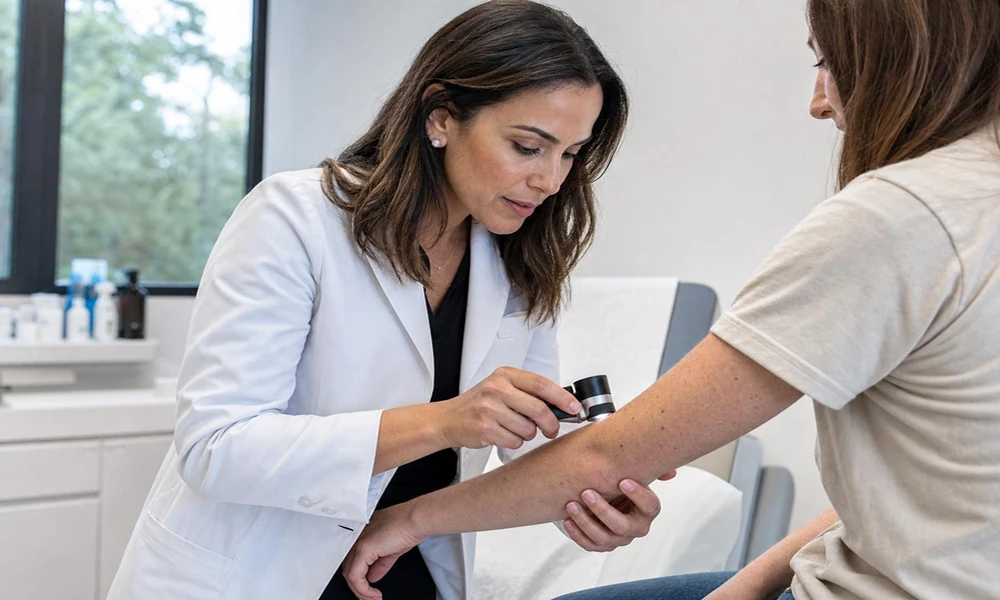
Most people experience occasional skin problems, whether it’s an unexpected breakout, an itchy patch, or a small change in skin texture. Many of these concerns are temporary and improve with gentle skincare and appropriate over-the-counter products. However, some skin symptoms deserve closer attention.
The challenge is recognizing when a skin problem is minor and when it may indicate an underlying condition. Understanding the difference can help prevent unnecessary irritation, delayed treatment, and avoidable complications.
Knowing which warning signs to watch for makes it easier to take a sensible approach to maintaining healthy skin.
Understanding the Difference Between Minor Irritation and a Medical Skin Condition
Not every skin change requires a doctor’s appointment. Mild dryness, occasional pimples, and temporary irritation may improve with basic care. However, symptoms that persist, worsen, spread, or repeatedly return can signal a problem that needs professional evaluation.
For example, a small patch of dry skin might respond to a fragrance-free moisturizer. But when that same patch becomes intensely itchy, inflamed, or increasingly uncomfortable, the cause may be more complicated.
Conditions such as eczema, psoriasis, fungal infections, and allergic contact dermatitis can share certain visible characteristics. Although they may appear similar, their treatments can differ significantly.
Pay attention to how long symptoms last, whether they interfere with daily activities, and whether the affected area is changing. These details can help determine whether home care is still appropriate.
When Professional Dermatology Care Becomes Important
Certain skin symptoms should not be managed through trial and error. Recognizing these signs can help people seek appropriate care before a condition becomes more difficult to manage.
Persistent or worsening rashes: A rash that continues despite gentle care, spreads, or repeatedly returns may require an examination to identify possible triggers or underlying conditions.
Changing moles or unusual growths: A mole that changes in size, shape, or color, develops irregular borders, or begins bleeding should be assessed promptly. Not every change indicates skin cancer, but suspicious lesions require professional evaluation.
Recurring or painful acne: Persistent breakouts, especially deep or painful lesions, may need treatment beyond ordinary skincare products. Early assessment can also help address concerns about scarring.
Unexplained hair loss: Increased shedding, patchy hair loss, or scalp inflammation can have several causes. Determining the reason is important because different conditions require different approaches.
Unusual nail changes: Persistent discoloration, thickening, separation, or changes in nail structure may sometimes indicate an infection or another medical condition.
For Westchester residents dealing with these symptoms, understanding the scope of Scarsdale medical dermatology services can clarify which skin, hair, and nail concerns are appropriate for professional assessment.
The important point is not to assume that every persistent skin problem has the same cause. An accurate diagnosis helps guide appropriate treatment.
Common Home-Care Mistakes That Can Make Skin Problems Worse
Trying to manage a skin concern independently is understandable, especially when symptoms initially seem harmless. However, certain habits can unintentionally aggravate an existing condition.
One common mistake is applying multiple active skincare products simultaneously. Combining exfoliating acids, retinoids, and other potentially irritating ingredients without considering skin tolerance can lead to increased dryness, redness, and discomfort.
Another mistake is repeatedly changing treatments before giving them an appropriate opportunity to work. Some skin conditions respond gradually, and switching products too frequently can make it harder to identify what is helping.
Scratching irritated skin can also worsen inflammation and damage the skin barrier. When scratching breaks the skin, it may increase the risk of infection.
Using leftover prescription creams is another concern. A medication that worked for one rash may be inappropriate for another, particularly when the underlying causes differ.
For mild irritation, a simple routine involving gentle cleansing, fragrance-free moisturizing, and avoiding suspected irritants may be reasonable. If symptoms worsen or fail to improve, further evaluation is more appropriate than repeatedly experimenting with new products.
How to Prepare for a Dermatology Appointment
A dermatology appointment can be more productive when patients arrive with useful information about their symptoms.
Before the visit, consider noting when the problem started, how it has changed, and whether anything appears to trigger flare-ups. Relevant details might include changes in skincare products, occupational exposures, medications, or environmental conditions.
Photographs can be particularly helpful when symptoms come and go. Images taken during a flare-up may provide context if the skin looks relatively normal on the appointment day.
It is also useful to bring a list of products and treatments already tried, including prescription medications and over-the-counter preparations.
During the appointment, patients can ask questions such as:
- What are the possible causes of these symptoms?
- Are additional examinations or tests necessary?
- Which treatment options are appropriate?
- How long might improvement take?
- What changes should prompt another appointment?
Clear communication helps patients understand their condition and follow the recommended treatment plan with greater confidence.
Building Skin Habits That Support Long-Term Health
While not every skin condition can be prevented, consistent daily habits can help protect the skin and reduce avoidable irritation.
Start with a skincare routine suited to your skin’s needs. Gentle cleansing and regular moisturizing are often more useful than complicated routines involving numerous products.
Sun protection is also important. Using broad-spectrum sunscreen with SPF 30 or higher, seeking shade, and wearing protective clothing can help reduce ultraviolet damage.
Pay attention to changes in your skin over time. Becoming familiar with existing moles, spots, and other markings makes unusual developments easier to notice. New or changing lesions should not be dismissed simply because they are painless.
People managing ongoing conditions such as eczema, psoriasis, or rosacea may also benefit from identifying personal triggers and following an individualized care plan.
Finally, remember that skin health extends beyond appearance. Persistent itching, discomfort, inflammation, and changes in hair or nails can affect everyday well-being and deserve appropriate attention.
Conclusion
Healthy skin care involves knowing both what can reasonably be managed at home and when professional guidance is necessary.
Minor irritation may improve with a simple routine, but persistent rashes, changing moles, recurring painful breakouts, and unexplained hair or nail changes should not be ignored.
By recognizing warning signs, avoiding potentially harmful self-treatment, and seeking timely medical advice, individuals can make more informed decisions about their skin health.
