

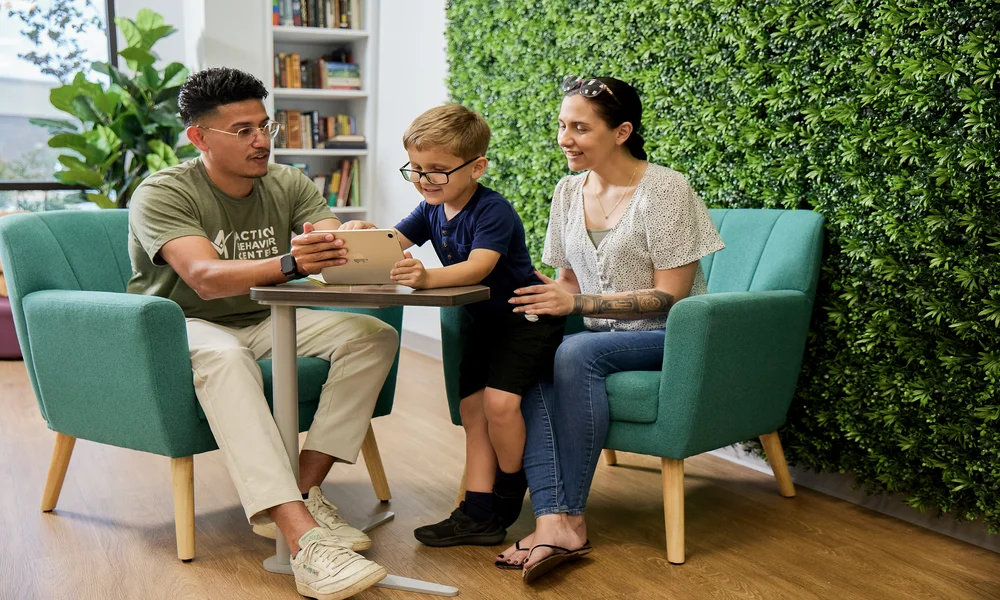
When you first hear the letters ABA, usually in a doctor’s office or a follow-up appointment, it can feel like one more thing you’re supposed to already understand. You’re not. The aba therapy stands for Applied Behaviour Analysis. In plain terms, it helps children learn useful skills by breaking them into small steps they can manage. It’s often used for children with autism or other developmental differences, and it can help with talking, daily routines, and getting along with others. Most parents just want to know what actually happens in a session and how they’ll know it’s working.
The Basic Idea Behind ABA
The principle is simple. When something good follows a behaviour, that behaviour tends to happen again. Therapists use that to encourage helpful skills and gently reduce the ones that make everyday life harder. There’s no fixed script. Every plan is built around your child.
- Big skills get broken down into small, doable steps.
- Praise or a small reward follows each success.
- Therapists record what happens in every session.
- Goals change as your child picks up new skills.
How Sessions Usually Look
No two programmes look exactly alike. Some sessions happen at a small table with short, repeated tasks. Others look a lot like play. Most good programmes mix the two, depending on your child’s age and what keeps them interested.
- Discrete trial teaching practises one small skill many times.
- Natural environment teaching uses play and daily routines.
- Pivotal response training builds motivation to try new things.
- Verbal behaviour work focuses on using language to communicate.
Setting Goals That Make Sense
Goals usually come from an assessment done by a trained supervisor, often a Board Certified Behavior Analyst. They should focus on things that make home life easier and help your child become more independent. A good goal is clear enough that everyone can tell when it’s been met.
- Asking for help with words, signs, or pictures.
- Following simple two-part instructions at home or school.
- Waiting calmly for a short time without getting upset.
- Washing hands or getting dressed with less help.
What Progress Really Looks Like
Progress with aba therapy rarely arrives as one big breakthrough. It shows up in small moments. Your child asks for a snack instead of crying. They stay in a sibling’s game a few minutes longer than last month. On their own, these changes seem small. Over a few months, they add up, and the session notes often show patterns you might not notice day to day.
- Meltdowns during transitions get shorter.
- More words or gestures are used to ask for things.
- Attention lasts longer during play or learning.
- Getting dressed or eating needs less help.
Helping at Home Between Sessions
Parents matter more than they often realise. Most therapists will show you how to practise the same skills during ordinary routines like meals, bath time, or getting ready for bed. When home and therapy feel similar, children usually pick things up faster.
- Use the same words and prompts the therapist uses.
- Praise effort straight away, not just success.
- Keep daily routines as predictable as you can.
- Tell the therapy team what you notice each week.
ABA works best when therapists, parents, and the child are all working in the same direction. Clear goals and regular practice make a real difference, but it rarely happens quickly. Small changes, repeated day after day, are usually what lead to the kind of independence families hope for.
