
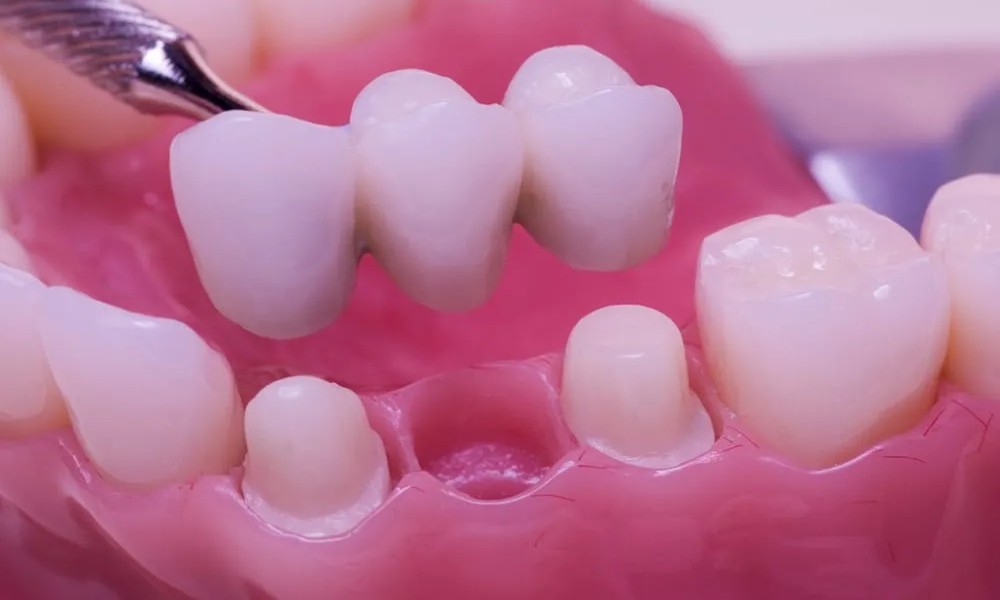

Missing teeth do more than change how you look. They strain your jaw, weaken nearby teeth, and can twist simple tasks like chewing into daily stress. A fixed bridge can steady your mouth again. It does not come in and out. It stays in place and works like real teeth. You bite with more strength. You speak with more ease. You smile without worry. A dentist in Firewheel can use a fixed bridge to fill the space, stop teeth from drifting, and spread chewing force across your mouth. This support protects your remaining teeth from cracks and wear. It also guards your jaw from painful pressure. You gain structure, not just appearance. You gain control at every meal. This blog explains how fixed bridges work, what to expect during treatment, and how they help you keep that new stability for many years.
What A Fixed Bridge Is And How It Works
A fixed bridge is a set of replacement teeth that your dentist cements onto nearby teeth or implants. It stays in your mouth all the time. You do not remove it at night.
The bridge has three main parts.
- Support teeth. These are the teeth or implants on each side of the gap.
- Crowns. These caps cover the support teeth and hold the bridge in place.
- False teeth. These fill the space where your teeth are missing.
The bridge links these parts into one solid unit. Your bite pressure spreads across several teeth. You get a stronger and more even chew.
The National Institute of Dental and Craniofacial Research explains that replacing missing teeth helps protect your bite and jaw joints.
Why Missing Teeth Harm More Than Your Smile
When a tooth is gone, your mouth tries to adjust. That shift can cause fresh problems.
- Nearby teeth lean into the gap and loosen.
- The tooth above or below the gap can grow out of its place.
- Your bite changes, and your jaw joints strain.
- Food packs into the gap and raises the risk of decay and gum disease.
These changes creep up. You may notice a click in your jaw. You may chew on one side only. You may see new spaces between teeth that once touched.
A fixed bridge stops this chain reaction. It fills the empty space so teeth stay in line. It also keeps the chewing forces in balance across your mouth.
Fixed Bridges Compared With Other Choices
You have more than one way to replace missing teeth. The right choice depends on your mouth, your health, and your goals. A fixed bridge sits between a removable partial denture and a single implant.
|
Option |
Removes for cleaning |
Support source |
Helps keep bone volume |
Typical feel while chewing |
|---|---|---|---|---|
|
Fixed bridge on teeth |
No |
Nearby natural teeth |
No direct bone support |
Close to natural teeth |
|
Implant supported bridge |
No |
Dental implants in jaw bone |
Yes at implant sites |
Very close to natural teeth |
|
Removable partial denture |
Yes |
Clips on teeth and gum support |
Limited bone support |
Less steady during chewing |
The Centers for Disease Control and Prevention notes that many adults lose at least one tooth.
Step By Step: What To Expect During Treatment
A fixed bridge usually takes two to three visits.
First visit.
- Exam and X-rays to check teeth and roots.
- Plan the shape and length of the bridge.
- Number the support teeth so you stay comfortable.
- Shape the support teeth so crowns can fit over them.
- Take molds or digital scans of your teeth.
- Place a temporary bridge to protect the teeth and fill the gap.
Second visit.
- Remove the temporary bridge.
- Test the fit and color of the new bridge.
- Adjust the bite so your teeth meet in a natural way.
- Cement the bridge to the support teeth.
Some mouths need a third visit for fine-tuning. The goal is a bite that feels even when you tap and grind your teeth together.
How Fixed Bridges Restore Stability
Stability means more than a nice look in photos. It means your mouth works as one steady unit.
A fixed bridge gives you stability in three key ways.
- It keeps teeth from drifting into the gap.
- It restores tooth height so your jaw joints meet in a healthy way.
- It spreads chewing force so no single tooth carries the full load.
You feel that stability when you eat. Food breaks down more evenly. You do not avoid tough foods. Your speech also clears up when air and tongue movements meet a full line of teeth.
Caring For A Fixed Bridge At Home
A fixed bridge needs daily care. The bridge cannot get cavities, but the support teeth can. Gums around the bridge can also swell if plaque collects.
Use three basic steps each day.
- Brush two times a day with fluoride toothpaste. Pay attention to the edges where the bridge meets the gums.
- Clean under the false teeth with floss threaders, small brushes, or water flossers.
- Use an alcohol free mouth rinse if your dentist suggests it.
Plan regular checkups and cleanings. Your dentist will check the cement seal, the bite, and the health of the support teeth. Small problems are easier to treat when found early.
When A Fixed Bridge Might Not Be Right
A fixed bridge is strong, but it is not right for every mouth.
You may need another option if any of these fit your situation.
- Support teeth are weak, cracked, or have deep decay.
- Gum disease has eroded the bone around the support teeth.
- You grind your teeth very hard and cannot wear a night guard.
- You are missing many teeth in a row, and there are no strong support teeth at each end.
In these cases, your dentist may suggest implants, a longer implant bridge, or a partial denture. The goal stays the same. Your mouth should feel steady, strong, and safe.
Regaining Confidence After Tooth Loss
Tooth loss can feel heavy. You may avoid smiling. You may change what you eat. You may speak less in groups. That stress can spread into home life and work.
A fixed bridge cannot erase the past. It can give your mouth a clear reset. You see teeth in the mirror again. You chew the foods you enjoy. You talk without worrying that a denture might slip.
With steady care and regular checkups, a fixed bridge can last many years. You protect your remaining teeth. You ease the strain on your jaw. You gain a calm, steady smile that matches the strength you carry inside.