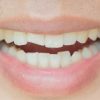


A cracked tooth can control your day. You feel a sharp sting when you bite. You avoid one side of your mouth. You worry the tooth might break without warning. This blog explains how a Wichita Falls dentist finds the crack you cannot see. You will learn how small lines in enamel differ from deep cracks that reach the nerve. You will see how simple tests, careful questions, and clear images work together. You will understand why guessing at home is risky. You will know what to expect at the visit. Pain is not your only clue. Sound, temperature, and bite patterns also tell a story. A cracked tooth does not heal on its own. Early diagnosis protects you from infection, swelling, and sudden loss of the tooth. You deserve clear answers and a plan that feels steady and controlled.
Why teeth crack in the first place
You rarely see the moment a tooth cracks. The damage builds over time. Then one bite finishes the job. Common causes include three simple groups.
- Everyday stress from chewing hard foods like ice or unpopped popcorn
- Past dental work that changed the way your teeth touch
- Sudden force from grinding, clenching, or a hit to the mouth
Age also plays a role. Teeth dry out. Old fillings loosen. The tooth becomes easier to split. Cracks often start small. With each bite they spread a little more.
Types of cracks and why they matter
Not every crack needs the same treatment. Some are harmless. Others place the whole tooth at risk. Dentists use clear groups.
| Type of crack | Where it stays or spreads | Common signs | Typical treatment
|
|---|---|---|---|
| Craze lines | Only in outer enamel | No pain. Thin lines on front teeth | Often no treatment. Simple polish |
| Fractured cusp | Top corner of tooth near a filling | Break when chewing. Sharp edge | Filling or crown |
| Cracked tooth | From top of tooth toward root | Pain when biting. Pain that comes and goes | Crown. Sometimes root canal |
| Split tooth | Crack runs through the tooth | Piece moves. Food traps in gap | Often remove part or all of tooth |
| Vertical root fracture | Starts in root under the gum | Often no clear pain. Gum swelling | Usually remove the tooth |
This chart shows why a clear diagnosis matters. A simple line on the surface can look like a deeper crack. Treatment choices change your outcome and your cost.
First step: your story
The science starts with your words. Your dentist listens for three key clues.
- When the pain starts. During chewing, after chewing, or with cold
- Which foods cause trouble. Soft bread or hard nuts
- How long pain lasts. A quick sting or a long ache
These details guide the next tests. They also help separate a cracked tooth from gum pain or sinus pressure. Clear history often points to the guilty tooth before any tool touches your mouth.
Careful look and gentle touch
Next your dentist uses eyes and hands. A bright light and small mirror reveal stains and lines. Dry air makes cracks show more. A pointed tool glides along the tooth. It may catch in a rough spot. This can mark the start of a crack.
Your dentist may press gently on the gum around the tooth. A tender spot can signal a deep crack that reaches the root. This step stays slow and controlled to limit your pain.
Special tests that hunt for cracks
Many cracks hide. They run between roots or under old fillings. Targeted tests help uncover them.
- Bite test. You bite on a small stick or plastic block. Pain when you release often points to a crack
- Cold test. A cold spray on cotton touches the tooth. Strong or long lasting pain suggests nerve trouble from a deep crack
- Transillumination. A bright light shines through the tooth. Cracked sections block light and look dark
- Staining. A safe dye may sit on the tooth. It seeps into cracks and makes them easier to see
These tests seem simple. Yet they follow clear science. Cracks change how a tooth flexes, holds temperature, and passes light. Each test watches for those changes.
X rays and advanced images
Standard dental X rays help rule out other causes. They show bone loss, deep cavities, and old root canals. Many cracks do not show on a single X ray. Still, patterns in the bone or around the root can hint at a hidden split.
Research from the National Institutes of Health explains how certain patterns around the root often match vertical root fractures. You can read more in this review from the National Library of Medicine.
Some dentists use cone beam CT. This creates a 3D picture. It can show cracks in roots that flat X rays miss. Your dentist weighs the benefit against the higher radiation dose.
Comparing common diagnostic tools
| Tool | What it shows best | Helpful for | Limits
|
|---|---|---|---|
| Visual exam | Surface lines and broken pieces | Craze lines and fractured cusps | Misses deep hidden cracks |
| Bite test | Pain pattern when chewing | Cracked tooth and split tooth | Hard with very anxious patients |
| X rays | Bone and root shape | Vertical root fractures and infection | Many cracks do not appear |
| Transillumination | Light blocks in enamel and dentin | Cracks above the gum line | Cannot show crack depth |
| Cone beam CT | 3D root form | Suspected root fractures | Higher radiation and cost |
How dentists decide on treatment
Your dentist studies three things before treatment.
- How deep the crack reaches
- Whether the nerve still reacts in a healthy way
- How much tooth structure remains
If the crack stays in the enamel and dentin, a crown can hold the tooth together. If the crack reaches the nerve, you may need a root canal and a crown. When the crack splits the root, removal often protects your health better than delay.
The American Dental Association explains common options for cracked teeth and root canals. This resource can help you prepare questions before your visit.
When you should seek care fast
Do not wait if you notice any of these three warning signs.
- Sharp pain every time you chew on one side
- Swelling or a pimple on the gum near a sore tooth
- A tooth that feels loose or moves in two pieces
Quick care can turn a saveable tooth into a strong one again. Delay can turn a small crack into a lost tooth.
How you can protect your teeth
You cannot stop every crack. You can cut your risk.
- Skip chewing ice, pens, or hard candy
- Wear a mouthguard for sports and for night grinding if advised
- Fix cavities and broken fillings before they spread
Each choice keeps stress off your enamel. Each visit gives your dentist a chance to spot early changes before pain screams for attention.