
Soft tissue grafting repairs gum loss and protects your teeth from more harm. When gums pull back, tooth roots show, pain increases, and your smile can look uneven. This change often feels sudden and unfair. It is not your fault. A graft uses your own tissue or donor tissue to cover exposed roots and rebuild your gumline. You gain stronger protection, less sensitivity, and a more natural smile. You also lower your risk of tooth loss. A dentist in Clearwater, FL can examine your gums, explain your options, and plan treatment that fits your mouth and your budget. You deserve clear answers and steady care. This blog explains why gums recede, how soft tissue grafting works, and what you can expect before, during, and after treatment. You will see that gum repair is possible and that you are not alone in this struggle.
Why Gums Recede
Gum recession happens for several reasons. Often it is a mix of three causes.
- Hard brushing. Brushing with too much force or using a stiff brush wears away gum tissue over time.
- Gum disease. Infection from plaque and tartar breaks down the support around your teeth.
- Thin gums and family history. Some people are born with thin gum tissue that recedes faster.
Other causes include teeth grinding, crooked teeth, mouth piercings, and tobacco use. You may notice:
- Teeth that look longer than they used to
- Sharp zaps from cold drinks or air
- Dark spaces near the gumline where roots show
Left alone, gum recession can lead to root decay, loose teeth, and tooth loss. The Centers for Disease Control and Prevention reports that gum disease is common in adults and gets worse with age. Soft tissue grafting helps stop this slide.
What Soft Tissue Grafting Does For You
Soft tissue grafting adds tissue to thin or receded gums. It has three main goals.
- Cover exposed roots and ease sensitivity
- Thicken weak gums to resist future recession
- Shape the gumline for a more even smile
You still need daily brushing and flossing. Yet a graft gives your gums a stronger base. That support makes routine care more effective after treatment.
Types Of Soft Tissue Grafts
Your dentist or periodontist chooses a graft type based on your gums, teeth, and health. Here is a simple comparison.
| Graft Type | Where Tissue Comes From | Best Use | Main Advantages
|
|---|---|---|---|
| Connective Tissue Graft | From under the skin on the roof of your mouth | Exposed roots on front teeth | Good color match and strong coverage |
| Free Gingival Graft | Thin layer from surface of roof of your mouth | Very thin gums that need extra thickness | Adds sturdy tissue and stops further recession |
| Donor Or Processed Tissue Graft | Prepared donor tissue from a tissue bank | Multiple teeth or when roof of mouth is not a good source | No second surgical site and shorter chair time |
Each option has risks and benefits. You can review them with your dentist using questions from trusted sources like the National Institute of Dental and Craniofacial Research. Clear questions lead to better choices.
What To Expect Before Treatment
The process starts with an exam and a plan.
- Your dentist checks your gums, teeth, bite, and oral habits.
- X rays show bone levels and hidden problems.
- You talk about pain control, healing time, and costs.
Often you need a deep cleaning first to remove plaque and tartar. You may also need changes at home.
- Use a soft toothbrush and gentle pressure.
- Cut back on tobacco.
- Wear a night guard if you grind your teeth.
These steps reduce infection risk and help your graft heal.
What Happens During Soft Tissue Grafting
On the day of surgery, the team keeps you as calm and comfortable as possible.
- They numb the gum and donor site with local anesthetic.
- They prepare the receded area by cleaning and shaping the root surface.
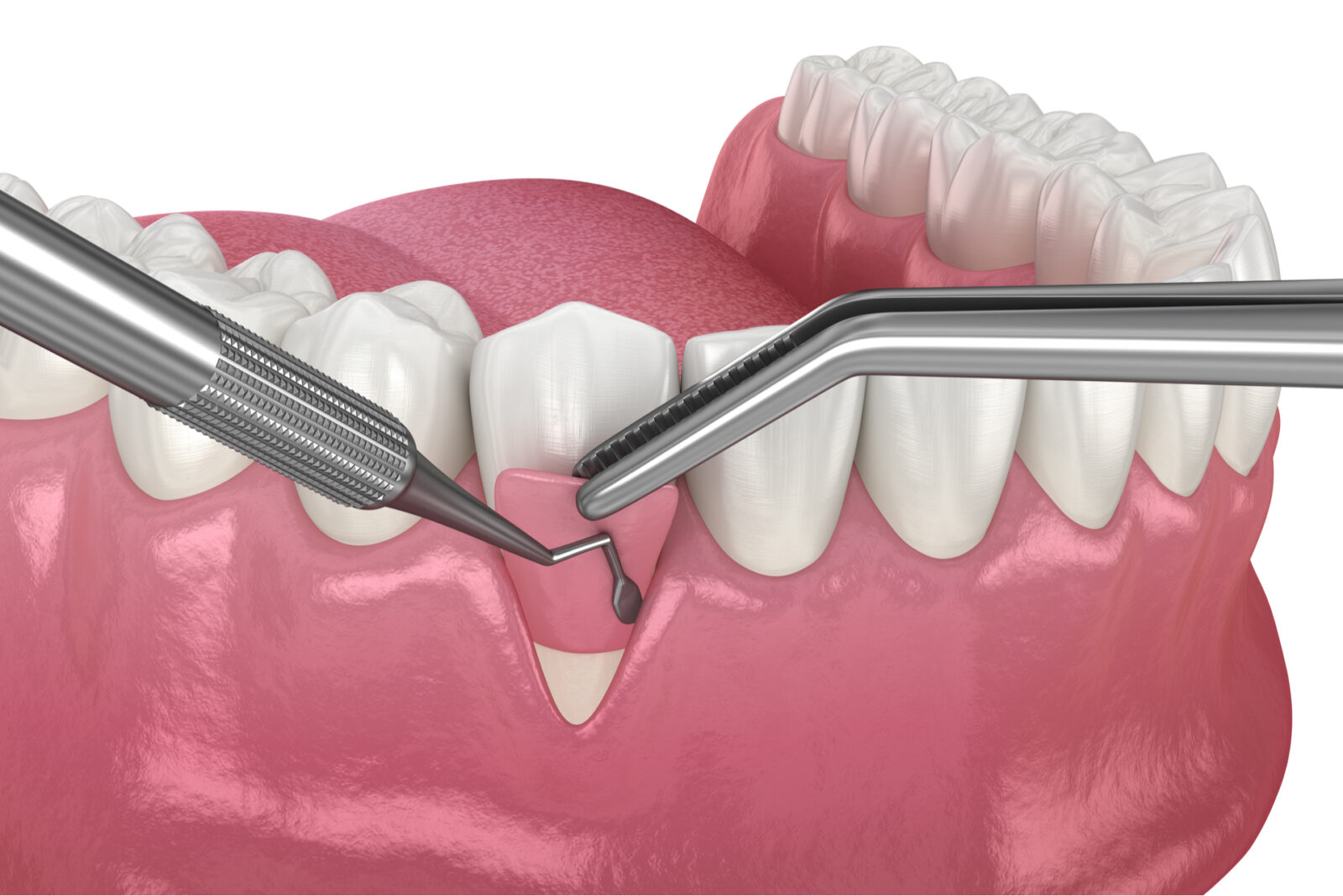
- They place the graft over the exposed root or thin gum.
- They secure it with tiny stitches and sometimes a protective dressing.
You may feel pressure and tugging but not sharp pain. The visit length depends on how many teeth need treatment.
Healing And Recovery
Healing has three phases. You can support each one with simple steps.
First Week
- Expect swelling, mild bleeding, and soreness.
- Use cold packs on your cheek for short periods.
- Take pain medicine as directed.
- Eat soft foods like yogurt, eggs, and soup.
Weeks Two And Three
- Gums start to knit together and feel less tender.
- You still avoid brushing on the graft site.
- You may rinse with a prescribed mouthwash to keep the area clean.
One To Three Months
- Tissue thickens and color improves.
- Sensitivity drops.
- The gumline settles into its new shape.
Follow every instruction. Do not smoke. Do not poke or pull at the graft. These actions protect your healing tissue.
Results You Can Expect
Most people notice three changes.
- Less pain from cold or heat
- Teeth that look shorter and more even
- New confidence when speaking and smiling
Soft tissue grafting cannot replace bone that is already lost. Yet it can protect what you still have and slow more damage. Many people keep their graft results for years when they care for their gums.
How To Protect Your Gums After A Graft
You help your graft last with three daily habits.
- Brush twice a day with a soft brush and gentle strokes.
- Clean between your teeth every day with floss or other tools your dentist suggests.
- See your dentist for regular cleanings and checks.
You can also watch for early warning signs.
- Bleeding when you brush
- New spaces near the gumline
- Bad taste in your mouth that does not go away
Quick action at these stages prevents a return to deep recession and more surgery.
When To Talk To A Dentist
Do not wait until teeth feel loose. Reach out when you first see gum changes. You deserve care that respects your fear, your time, and your budget. With clear guidance and steady follow up, soft tissue grafting can restore both gum health and appearance so you can eat, speak, and smile with less worry.