

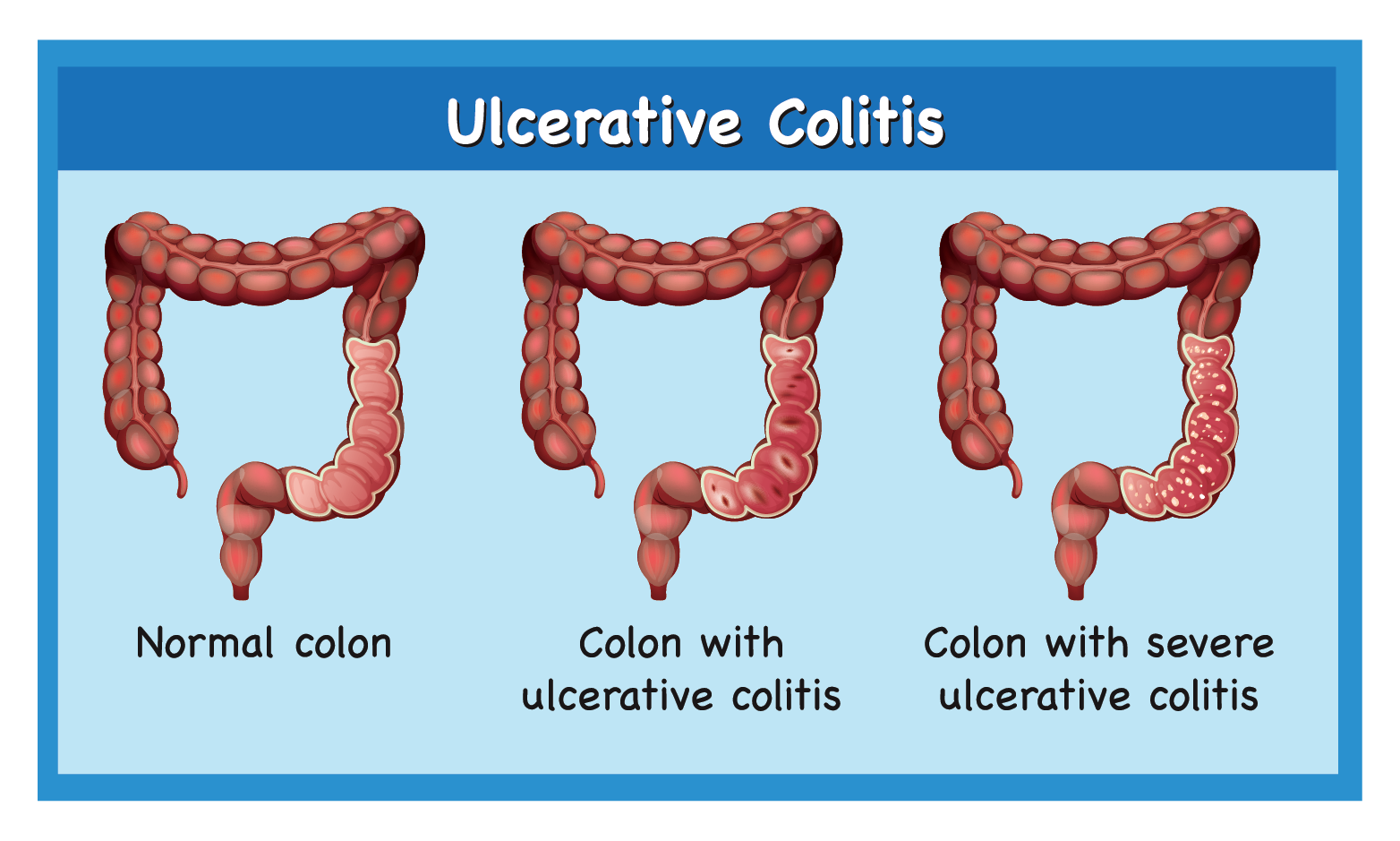
Ulcerative colitis is a long-term disease, but with the right treatment and the help of a doctor, the symptoms can be controlled. When the symptoms do not show, it is called remission, whereas when they quickly worsen after the period of remission, it is called flare-ups. During ulcerative colitis flare-ups, the person may experience diarrhea, urgent bowel movements, abdominal pain with cramping, rectal pain, and bleeding. These sudden changes may make you feel restless and irritated. According to the experts, the flare-ups can be managed by making a few diet and lifestyle changes.
Here are a few tips that will help the person in controlling UC symptoms and increasing the time between flare-ups.
- Keep a food journal
Keep a food journal in which you record everything you eat and drink throughout the day. This will help you analyze which items may trigger your flare-ups. Observe the pattern and recognize the warning signs. Find out which particular food item is affecting your health and skip it from your daily meal.
- Skip dairy products
Many people with UC have lactose intolerance, so they should strictly avoid dairy products in their diet. A few dairy products, like milk, yogurt, ice cream, cheese, etc., must be eliminated from your diet for better results. Once you reduce their intake, you will observe a reduction in the symptoms of diarrhea, abdominal pain, and gas.
- Eat small meals
It is not necessary that once you start eating, you finish whatever is served. You can reduce your everyday three-square meals to five or six small meals a day. Avoid snacking the whole day without thinking. Always make a diet plan of small, healthy, and balanced meals. This may help you improve your symptoms.
- Limit fiber intake
For general people, high-fiber food intake is considered an excellent source of nutrition. However, for the person with active UC, high-fiber foods like fruits, vegetables, and whole grains may worsen the symptom. This is so because too much fiber is difficult to digest, and therefore, it may worsen UC flare-ups. But this will not be fair if the person has to give up on this entire food group. So, the person with flare-ups may include low fiber intake in the diet, which should not exceed 2 grams per serving. Avoid eating raw vegetables and cook them properly by steaming, baking, or roasting them properly to reduce fiber.
- Be careful about beverages
Drinking plenty of water every day is best for your health. However, alcohol intake from beer, wine, and cocktails can worsen diarrhea. The same goes for beverages that contain caffeine. Even carbonated drinks are not good for someone with active UC. So, always choose your beverages very carefully. Avoid soda, iced tea, coffee, and carbonated drinks.
- Exercise regularly
The person experiencing UC flare-ups may suffer from anxiety, irritation, and depression. Regular exercise may help you manage your stress and boost your mood. This also helps in the suppression of inflammation and makes you feel better. Talk to your doctor and the guidance for some moderate-intensity exercise.
- Reduce stress
Stress management is also very important to lower your body’s inflammatory response. Try daily meditation, yoga, deep breathing exercises, etc., to reduce your stress level. Visit icare4u for more information.
